This article provides a comprehensive overview of the food and beverage market in Tajikistan, offering essential insights for producers considering expansion into the country. It covers key economic indicators, the retail landscape including major players, and consumer behavior patterns that influence purchasing decisions. The information aims to equip food and beverage exporters with a clear understanding of the market environment and practical factors to consider when planning entry or growth in Tajikistan.
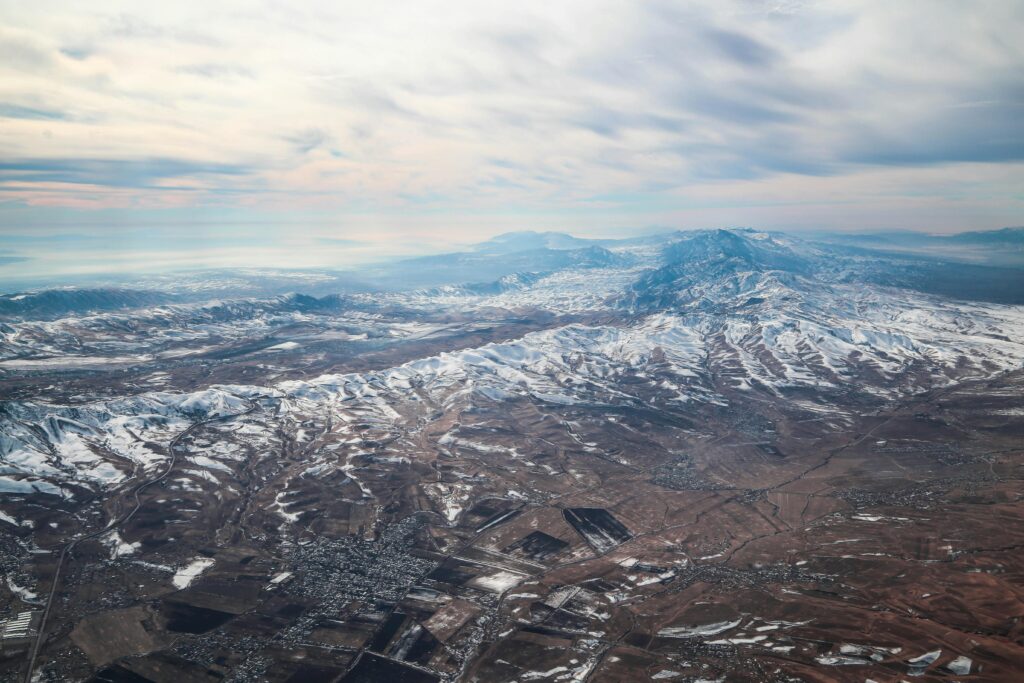
1. General Overview of Lithuania
Tajikistan, located in Central Asia, is a developing market with growing opportunities for international investment, particularly in agriculture, food processing, and retail sectors. With a population exceeding 9.5 million, the country offers access to a young and increasingly urbanizing consumer base. Tajikistan’s economy is gradually diversifying, supported by government initiatives to improve infrastructure, promote trade, and attract foreign partners.
Dushanbe, the capital, serves as the primary economic and administrative center, featuring expanding retail networks and improving transport connections to neighboring markets. Despite challenges related to geography and infrastructure, Tajikistan’s strategic position as a gateway between Central Asia and South Asia presents unique advantages for trade and distribution.
Key Facts
- Population: ~9.5 million
- Capital: Dushanbe
- Currency: Tajikistani Somoni (TJS)
- Official Language: Tajik
2. Economic Snapshot (2024/2025)
The following tables present key economic data for Tajikistan, offering insight into the country’s current economic conditions including GDP, inflation, employment, urbanization, and income levels. This information is essential for food and beverage producers and exporters assessing market entry and distribution opportunities in Tajikistan.
GDP (Nominal & Per Capita)
| Tajikistan GDP Overview | |
|---|---|
| Nominal GDP | $9.8 billion USD (2024) |
| Nominal GDP per Capita | $1,025 USD (2024) |
Inflation Rate
| Tajikistan Inflation Rate | |
|---|---|
| Inflation Rate | 11.7% (2024) |
| Inflation Rate | 9.8% (May 2025) |
Unemployment Rate
| Tajikistan Unemployment Rate | |
|---|---|
| Overall Unemployment Rate | 10.7% (2024) |
| Youth Unemployment Rate | 18.9% (2024) |
Urbanization Rate
| Tajikistan Urbanization Rate | |
|---|---|
| Urbanization Rate | 27.1% (2024) |
| Annual Urbanization Rate Change | +1.1% (2024) |
Income Data
| Tajikistan Income Data | |
|---|---|
| Average Gross Salary | 3,200 TJS (€265) |
| Average Net Salary | 2,500 TJS (€207) |
Tajikistan’s economy is characterized by moderate GDP growth, a young labor force with notable youth unemployment, and a relatively low urbanization rate with steady urban migration. Inflation remains elevated but is showing signs of easing. Average incomes reflect the developing nature of the market. For exporters and distributors, understanding these dynamics is essential to tailor product offerings and distribution strategies effectively. NORD EXIM leverages local insight and established retail connections to support international food and beverage producers seeking to enter or expand within the Tajik market.
3. Retail Market Overview
Tajikistan’s retail market for food and beverage is gradually evolving, shaped by a blend of traditional and modern retail formats. The landscape includes hypermarkets, supermarkets, convenience stores, and discount chains, each serving distinct consumer groups and geographic areas. While larger cities like Dushanbe see growing activity in modern retail outlets, much of the country still relies on smaller neighborhood stores and open markets, reflecting varied purchasing habits and income levels across the population.
Consumer trends in Tajikistan show an increasing openness to new product categories, especially packaged and processed foods, as lifestyles become busier and incomes slowly rise. Health awareness is emerging, with some demand for natural and sustainable options, although price sensitivity remains a key factor. Retailers are adapting by diversifying their offerings and incorporating both local and international brands, aiming to satisfy broad consumer preferences while experimenting with loyalty programs and digital sales channels.
Digitalization and sustainability are gaining traction in Tajikistan’s retail sector, albeit at an early stage. Some retailers are exploring online platforms and digital payments to improve convenience, especially among younger shoppers. Meanwhile, environmental concerns are encouraging retailers to consider eco-friendly packaging and waste reduction initiatives. This growing focus aligns with global trends and offers international brands a chance to partner with forward-thinking retailers ready to innovate.
Key Retailers in Tajikistan
| Store | Total Number of Stores |
|---|---|
| Evar | 24 |
| Bi1 | 14 |
These key retailers provide broad market coverage through a combination of hypermarkets and supermarket chains, mainly concentrated in urban areas. The presence of convenience and discount formats further extends reach into suburban and rural locations, creating multiple entry points for new food and beverage products. International brands seeking distribution can leverage partnerships with these established retailers, tailoring their approach based on product type and target consumers to navigate Tajikistan’s varied retail environment effectively.
4. Market Insights and Cultural Considerations
Tajik consumers are generally value-driven, placing strong importance on price and familiarity while gradually showing curiosity toward international food and beverage brands that offer clear benefits. The market is marked by a significant rural-urban divide, where urban consumers—especially in Dushanbe—are more open to trying new products and premium offerings, whereas rural shoppers remain loyal to traditional staples and local suppliers.
What to Know About Tajikistan Consumers:
- Strong Preference for Local and Traditional Products
Many Tajik consumers prioritize local staples such as bread, dairy, fresh fruits, nuts, and traditional beverages in their daily diets. This preference is rooted in cultural habits and economic factors, especially outside urban centers where access to imported goods is limited. However, international brands that complement or enhance traditional flavors, especially in snacks and beverages, can find opportunities in urban retail outlets. - Price Sensitivity is High but Not Absolute
Price remains a decisive factor for most buyers, particularly in rural areas and among lower-income groups. Yet, there is a growing segment in cities willing to pay a premium for perceived quality, health benefits, or convenience. Brands that can clearly communicate value or differentiate on quality have better chances to succeed. - Health and Wellness Awareness is Emerging
Awareness of health and nutrition is on the rise among younger and middle-class consumers in Tajikistan’s cities. Products promoting natural ingredients, low sugar, or functional benefits are increasingly noticed, although this trend is still nascent compared to other markets. Foreign brands with clean-label or health-focused positioning may gradually build market share here. - Traditional Buying and Seasonal Patterns Influence Demand
Many consumers continue to shop daily or several times a week at bazaars and small stores, favoring fresh products over packaged goods. Seasonal events and religious holidays strongly affect purchasing habits, with spikes in demand for sweets, dried fruits, and beverages. Understanding these cycles is key for effective product launch timing and inventory planning. - Digital and Retail Modernization Are Developing but Limited
E-commerce and digital marketing are growing slowly, mainly in Dushanbe and larger towns. Retailers are starting to adopt loyalty programs and online ordering, but physical stores and traditional trade remain dominant. Foreign brands should consider a multi-channel approach, balancing presence in modern supermarkets with partnerships in traditional retail outlets.
Partner with NORD EXIM to Enter Tajik Market
Entering the Tajikistan food and beverage market requires a clear understanding of local consumer preferences, retail dynamics, and the evolving competitive landscape. With its growing urban demand and diverse retail formats, the market presents tangible opportunities for international brands willing to adapt and engage strategically.
NORD EXIM offers tailored support to producers seeking to navigate this environment, providing in-depth local insights, established retail and distribution partnerships, and practical guidance on market entry and growth. For companies looking to explore or expand in Tajikistan, connecting with experienced local partners can be a decisive advantage. Please feel free to reach out to discuss how NORD EXIM can assist your plans.