This article provides an overview of the Belarus food and beverage market for producers considering expansion. It covers key economic indicators, the retail landscape, and consumer behavior patterns relevant to the sector. Insights include major retail players, current market trends, and local preferences that can influence product positioning and distribution strategies. The information aims to support informed decision-making by outlining the essential factors shaping the market environment in Belarus.
1. General Overview of Belarus
Belarus, located at the crossroads between the European Union and the Commonwealth of Independent States (CIS), offers a strategic platform for businesses aiming to access both Eastern and Western markets. With a population of around 9.3 million, the country features a well-educated workforce, competitive operational costs, and strong industrial and manufacturing sectors.
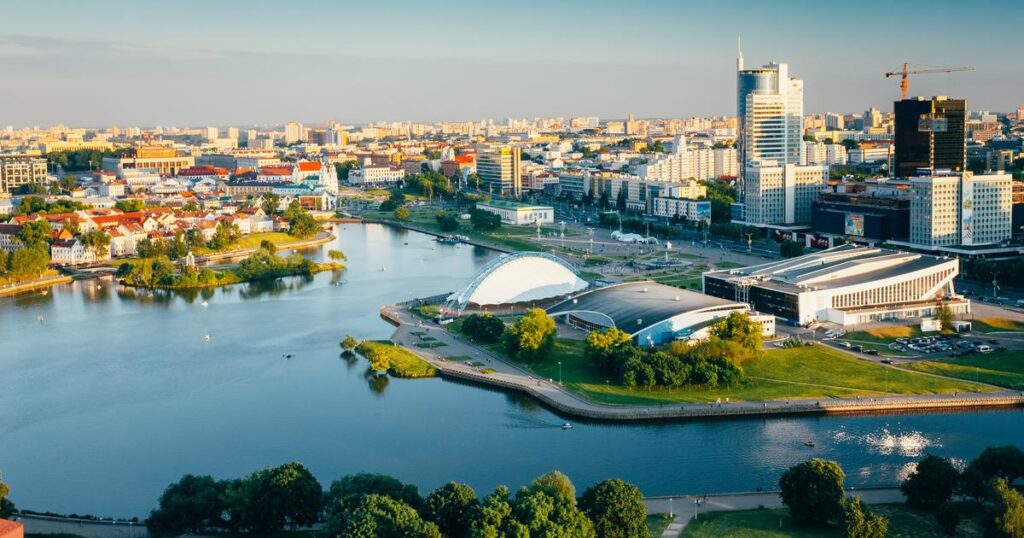
Its capital, Minsk, is the nation’s economic and innovation hub, with developed infrastructure supporting thriving IT, machinery, and logistics industries. Belarus’s central location, coupled with its extensive road and rail networks, positions it as an efficient center for regional distribution and trade. Recent efforts to modernize its digital economy and enhance business regulations continue to improve the investment climate.
Key Facts
- Official Language: Belarusian, Russian.
- Population: ~9.3 million
- Capital: Minsk
- Currency: Belarusian ruble (BYN)
2. Economic Snapshot (2024/2025)
Belarus’s economy reflects a mix of state-controlled industries and a competitive private sector. While the government maintains strong oversight, initiatives to diversify the economy have opened significant opportunities for foreign investments.
Current Economic Indicators
- GDP Growth (2024 Projection): ~2.5%
- Inflation Rate (2024): ~5.0%
- Key Sectors: Agriculture, manufacturing, IT, and trading
GDP (Nominal & Per Capita)
| Belarus GDP (Nominal & Per Capita) | |
|---|---|
| Nominal GDP (2024) | $80.5 billion USD |
| Nominal GDP per Capita (2024) | $8,540 USD |
Inflation Rate
| Belarus Inflation Rate | |
|---|---|
| Inflation Rate (2024) | 12.4% |
| Inflation Rate (May 2025) | 11.8% |
Unemployment Rate
| Belarus Unemployment Rate | |
|---|---|
| Overall Unemployment (2024) | 3.5% |
| Youth Unemployment (2024) | 7.2% |
Urbanization Rate
| Belarus Urbanization Rate | |
|---|---|
| Urbanization Rate (2024) | 78.1% |
| Urbanization Rate Annual Change (2024) | 0.1% |
Income Data
| Belarus Income Data (Monthly) | |
|---|---|
| Average Gross Salary (2024) | 2,350 BYN (893 €) |
| Average Net Salary (2024) | 1,850 BYN (703 €) |
Belarus recorded a nominal GDP of $80.5 billion USD in 2024, with a per capita GDP of $8,540 USD. Inflation was relatively high at 12.4% in 2024, slightly decreasing to 11.8% by May 2025. The unemployment rate remains low at 3.5%, with youth unemployment at 7.2%. Urbanization is steady at 78.1% with a slight positive annual change. Average monthly salaries reflect moderate income levels, with gross salaries around 2,350 BYN (893 €) and net salaries about 1,850 BYN (703 €).
3. Retail Market Overview
Belarus’s retail sector is evolving, with a growing presence of modern supermarkets and hypermarkets alongside traditional markets. Emerging e-commerce platforms are also gaining ground, allowing further retail diversification.
Key Retailers in Belarus
Belarus’s food and beverage retail market is structured around a strong network of domestic chains, offering diverse formats ranging from hypermarkets and supermarkets to discount stores and convenience outlets. This variety gives international brands multiple entry points, whether targeting urban consumers through modern retail formats or leveraging regional chains with deep local reach.
Consumer trends in Belarus increasingly reflect broader European preferences, with rising demand for organic, natural, and functional foods. While price sensitivity remains a key consideration for many shoppers, especially outside major cities, there’s growing interest in product quality, traceability, and sustainability. In response, retailers are expanding assortments, including private label lines, and investing in marketing strategies that emphasize freshness, health, and value.
Digitalization is gradually reshaping the retail experience. Major players are introducing online ordering platforms, mobile apps, and loyalty programs to build shopper engagement and convenience. At the same time, sustainability efforts—such as reducing plastic packaging, offering reusable bags, and sourcing local—are being integrated into store operations, aligning with increasing environmental awareness among urban consumers.
| Company Group | Stores Total |
|---|---|
| Evroopt (incl. Hit! and Hroshik) | 1100 |
| Santa | 260 |
| Sosedi | 237 |
| Belmarket | 61 |
| Korona | 44 |
| Almi | 38 |
| Gippo | 29 |
These retailers span various formats and regions, with EVROOPT leading the market through an extensive network that includes both supermarkets and discounters. Chains like SANTA and SOSEDI provide strong regional coverage and cater to a broad customer base, while KORONA and GIPPO serve as modern supermarket formats attractive for premium or differentiated products. This layered structure presents international brands with a range of market entry strategies—from partnering with volume-focused discounters to targeting niche segments through upscale retailers.
4. Market Insights and Cultural Considerations
Belarusian consumers tend to balance traditional food preferences with a gradual openness to international brands, especially in urban areas. While many shoppers value reliability and familiarity, there is growing curiosity about foreign products that offer clear benefits in quality or innovation, particularly among younger and middle-income groups.
What to Know About Belarus Consumers:
- Digital and E-commerce Channels Are Growing but Still Secondary
Online shopping for food and beverages is expanding, mainly among younger, urban consumers. Still, traditional retail outlets—supermarkets, local grocery stores, and open markets—continue to dominate. Successful foreign brands invest in strong offline presence while gradually exploring digital marketing and sales channels. - Strong Loyalty to Local and Regional Brands
Belarusian consumers have a deep-rooted trust in domestic food and beverage products, especially staples like dairy, bread, and meat. Local brands are often perceived as more affordable and better adapted to local tastes. Foreign brands need to clearly demonstrate a competitive edge—whether through quality, health benefits, or unique offerings—to gain traction beyond niche urban consumers. - Emerging Demand for Health-Conscious and Premium Products
Urban centers such as Minsk show increasing interest in organic, gluten-free, and low-sugar products. While still a relatively small segment, this health-focused consumer base is growing steadily, influenced by broader Eastern European trends and greater digital awareness. Brands that emphasize transparency and functionality can appeal to this audience. - Seasonality and Festive Occasions Influence Buying Patterns
Traditional holidays (e.g., New Year, Maslenitsa) and seasonal cycles heavily shape purchasing behavior. Consumers tend to increase spending on sweets, special meats, and beverages during these periods. Brands that align product offerings with these cultural moments can tap into meaningful demand spikes. - Price Sensitivity is Pronounced but Nuanced
Despite modest average incomes, Belarusian shoppers are willing to pay a premium for products that clearly justify the price through perceived quality or innovation. However, affordability remains critical in mass-market segments and rural areas. Flexible pricing strategies and tiered product lines can help foreign brands navigate this divide.
Partner with NORD EXIM to Enter Belarusian Market
NORD EXIM offers support to food and beverage producers entering the Belarus market by providing local market insight, established retail connections, and tailored distribution planning. Our expertise helps navigate the complexities of the market environment and optimize entry strategies. For those considering expansion into Belarus, we encourage you to get in touch to discuss how we can assist in meeting your specific needs and goals.