This article provides an overview for food and beverage producers considering expansion into the Albanian market. It covers key economic indicators, the retail environment, and consumer behavior relevant to this sector. Readers will find insights into major retail players, current market trends, and local consumer preferences to support informed decision-making. The information is presented to offer a clear and structured understanding of the opportunities and challenges within Albania’s food and beverage retail landscape.
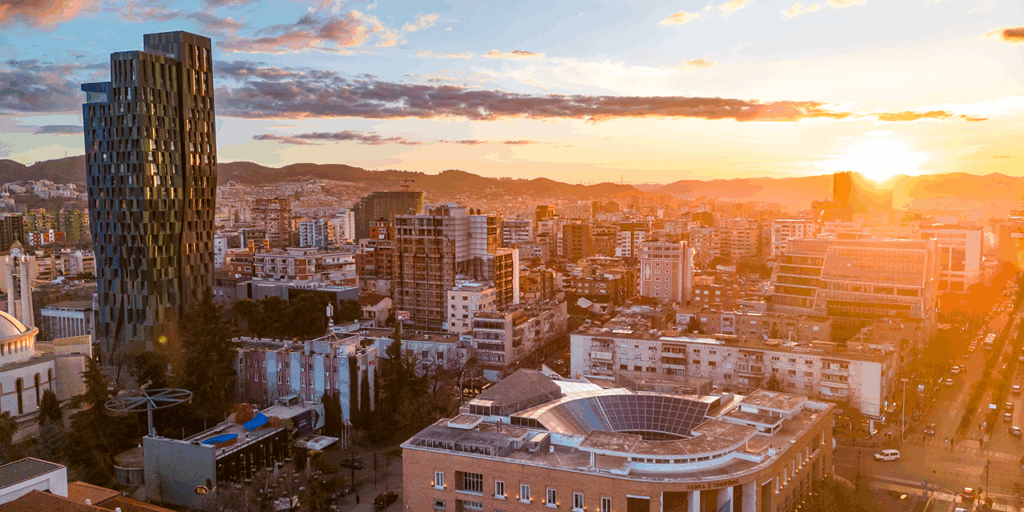
1. General Overview of Albania
Albania, located in Southeast Europe along the Adriatic and Ionian Seas, is an emerging market with a strategic position connecting Western Europe, the Balkans, and the Mediterranean region. With a population of approximately 2.8 million, the country offers competitive operating costs, a young and increasingly skilled workforce, and ongoing reforms aimed at improving the business environment and infrastructure.
The capital, Tirana, is the country’s economic and administrative center, experiencing rapid development in sectors such as construction, ICT, and services. Albania’s improving transport networks, including ports and roadways, combined with favorable trade agreements with the EU and regional partners, make it a promising destination for investors seeking access to the Balkan markets and beyond.
Key Facts
- Official Language: Albanian
- Population: ~2.8 million
- Capital: Tirana
- Currency: Albanian lek (ALL)
2. Economic Snapshot (2024/2025)
Albania’s economy is steadily expanding, driven by robust domestic consumption and increasing foreign investments. The government’s commitment to free-market reforms and EU alignment is laying the groundwork for sustainable growth.
Current Economic Indicators
- GDP Growth (2024 Projection): ~3.5%
- Inflation Rate (2024): ~4.0% (stabilized)
- Key Sectors: Agriculture, tourism, energy, and retail
Bulgaria’s economy is on a progressive growth trajectory, benefiting from rising consumer confidence and steadily increasing purchasing power. Cost-competitiveness and a burgeoning middle class make Bulgaria a prime market for imported goods.
GDP (Nominal & Per Capita)
| Albania GDP (Nominal & Per Capita) | |
|---|---|
| Nominal GDP (2024) | $27.2 billion USD |
| GDP per Capita (Nominal) | $9,846 USD |
Inflation Rate
| Albania Inflation Rate | |
|---|---|
| Inflation Rate (2024) | 2.2 % |
| Inflation Rate (May 2025) | 2.2 % |
Unemployment Rate
| Albania Unemployment Rate | |
|---|---|
| Overall Unemployment (2024 Q4) | 8.8 % |
| Youth Unemployment (15–29, 2024 Q4) | 19.1 % |
Urbanization Rate
| Albania Urbanization Rate | |
|---|---|
| Urbanization Rate (2024) | 63.9 % |
| Annual Change (2024) | +0.5 % |
Income Data
| Albania Income Data (Monthly) | |
|---|---|
| Average Gross Salary | 83,401 ALL (≈ 850 €) |
In 2024 Albania’s economy reached $27.2 billion GDP and $9,846 per capita, with inflation subdued at 2.2% into May 2025. Unemployment stood at 8.8% overall, and 19.1% among youth. Urbanization rose to 63.9%, with a +0.5% gain. Average monthly gross salary was 83,401 ALL (~850 €).
3. Retail Market Overview
Albania’s retail sector is growing rapidly, with an expanding network of supermarkets, hypermarkets, and specialty stores. Though traditional markets dominate in rural areas, urban consumers are increasingly gravitating towards modern retail formats.
Key Retailers in Albania
Albania’s food and beverage retail market is rapidly evolving, marked by a growing diversity of store formats that cater to an increasingly sophisticated consumer base. The retail landscape features a blend of large hypermarkets, well-established supermarket chains, convenience stores, and discount outlets, each providing unique access points for international brands. This diversity allows suppliers to tailor their entry strategies, whether aiming for mass-market reach through hypermarkets or targeting niche segments via smaller, local retailers.
Consumer preferences in Albania are shifting toward healthier, premium, and sustainably sourced products, reflecting broader European trends. There is a rising demand for organic and natural items, as well as international specialty foods that bring added variety to Albanian shoppers. Retailers are actively responding by expanding their product ranges and enhancing customer experience through loyalty programs and in-store innovations.
Digitalization plays a crucial role in the Albanian retail sector’s transformation, with many players investing in e-commerce platforms and digital marketing to engage younger, tech-savvy consumers. Sustainability initiatives are also gaining prominence, as retailers increasingly prioritize eco-friendly packaging and waste reduction, aligning their practices with consumer expectations for responsible business operations.
| Company Group | Stores Total |
|---|---|
| Big Market | 190 |
| Spar | 75 |
| Conad | 30 |
| Eco Market | 25 |
| Extra Market | 13 |
| Diambe Market | 63 |
These retailers collectively provide extensive coverage across Albania’s retail environment, offering various channels—from Big Market’s widespread presence to smaller chains like Extra Market—that international brands can leverage for effective market entry, while digitalization and sustainability trends continue to shape shopper expectations and retailer strategies.
4. Market Insights and Cultural Considerations
Albanian consumers value tradition and authenticity in their food and beverage choices but are increasingly curious about foreign products that bring added quality or novelty. While urban shoppers in Tirana and other cities show openness to international brands, a significant rural population remains more cautious and price-driven, creating a dual market dynamic.
What to Know About Albanian Consumers:
- Urban-Rural Divide and Digital Adoption Impact Buying Behavior
Rural consumers often shop in traditional markets and small local stores, favoring basic and affordable products, while urban shoppers increasingly use supermarkets and online platforms. However, e-commerce penetration is still limited, so strong physical retail presence remains essential for market success. - Strong Attachment to Local and Traditional Products
Many Albanians prioritize familiar, locally produced foods that align with long-standing culinary traditions, such as dairy products, olive oil, and homemade bread. Foreign brands entering the market should aim to respect and complement these tastes rather than compete directly, possibly by offering differentiated premium or specialty items. - Growing Interest in Health and Quality, Especially Among Younger Urbanites
There is a rising segment of health-conscious consumers in cities who seek organic, natural, or functional foods and beverages. These consumers often look for products that improve wellbeing or fit modern lifestyles but remain price-aware and pragmatic rather than driven by trends alone. - Seasonal and Social Consumption Patterns Are Important
Food and drink purchases peak during religious holidays, weddings, and family gatherings, which remain central to Albanian life. Brands that position themselves for these occasions—such as premium sweets, beverages, or gift sets—can gain relevance and higher sales. - Price Sensitivity Is Pronounced Across Most Consumer Segments
While urban consumers show some flexibility, the overall market remains very price-conscious due to modest average incomes and inflation pressures. Competitive pricing or clear value propositions are critical for broad acceptance beyond niche urban markets.
Partner with NORD EXIM to Enter Albanian Market
NORD EXIM provides dedicated support for food and beverage producers entering the Albanian market, offering local market insight, established retail connections, and tailored distribution planning. Our approach focuses on helping clients navigate the specific challenges and opportunities in Albania’s retail landscape. For producers looking to expand, we invite you to get in touch to discuss how we can assist with your market entry and growth strategies.