For food and beverage producers exploring opportunities in the Baltic region, Estonia offers a compact but digitally advanced market with well-defined consumer patterns and a concentrated retail sector. This article outlines key aspects of the Estonian market, including recent economic indicators, the structure of food retail, and evolving shopper behavior. It highlights major grocery chains, current trends in product demand, and practical considerations for market entry.
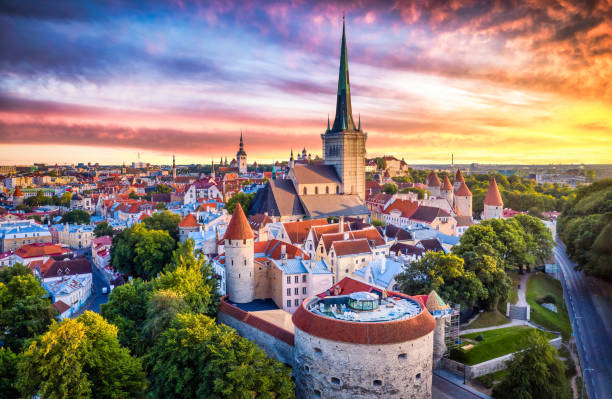
1. General Overview of Estonia
Estonia is a digitally driven EU and Eurozone member recognized for its innovation-friendly environment, transparent governance, and ease of doing business. With a population of approximately 1.3 million, the country offers a lean regulatory framework, low bureaucracy, and a strong emphasis on digital solutions that support efficient business operations and cross-border partnerships.
The capital, Tallinn, is a leading tech and startup hub in Northern Europe, hosting a robust ecosystem of IT, fintech, and green technology companies. Estonia’s advanced digital infrastructure, secure e-governance systems, and strategic location between the Nordics, Central Europe, and Russia position it as a smart choice for international companies looking to scale in the region.
Key Facts
- Official Language: Estonian
- Population: ~1.3 million
- Capital: Tallinn
- Currency: Euro (€)
2. Economic Snapshot (2024/2025)
Estonia’s economy showcases resilience and adaptability. Despite global economic challenges, the country continues to invest in digitalization, energy independence, and innovation to sustain long-term growth.
GDP (Nominal & Per Capita)
| Estonia GDP (Nominal & Per Capita) | |
|---|---|
| Nominal GDP (2024) | $40.2 billion USD |
| Nominal GDP per Capita (2024) | $30,900 USD |
Inflation Rate
| Estonia Inflation Rate | |
|---|---|
| Inflation Rate (2024) | 4.5% |
| Inflation Rate (May 2025) | 3.6% |
Unemployment Rate
| Estonia Unemployment Rate | |
|---|---|
| Overall Unemployment (2024) | 5.8% |
| Youth Unemployment (2024) | 12.1% |
Urbanization Rate
| Estonia Urbanization Rate | |
|---|---|
| Urbanization Rate (2024) | 74.8% |
| Urbanization Rate Annual Change (2024) | 0.2% |
Income Data
A significant portion of Estonia’s population resides in urban areas, reflecting its urban development.
| Estonia Income Data (Monthly) | |
|---|---|
| Average Gross Salary (2024) | 1,870 € |
| Average Net Salary (2024) | 1,440 € |
Estonia’s economy in 2024 features a nominal GDP of $40.2 billion USD and a GDP per capita of $30,900 USD. Inflation eased from 4.5% in 2024 to 3.6% in May 2025. Unemployment stands at 5.8% overall, with youth unemployment at 12.1%. Urbanization is 74.8%, increasing annually by 0.2%. Monthly average gross salary is 1,870 €, with net salary at 1,440 €.
3. Retail Market Overview
Estonia’s retail market for food and beverage is well-developed and offers promising opportunities for international brands aiming to enter or expand within the country. The market features a mix of large hypermarkets, supermarket chains, discount retailers, and an extensive network of convenience stores, catering to a broad spectrum of consumer preferences across urban and rural areas.
Consumer trends in Estonia show a clear shift towards health-conscious, organic, and sustainably sourced products. Shoppers increasingly value transparency and quality, driving retailers to expand their offerings of natural and specialty items alongside established international brands. Digital transformation is also a key focus, with many retailers investing in e-commerce solutions, loyalty programs, and personalized marketing to improve customer engagement and convenience in an increasingly competitive landscape.
Sustainability plays a growing role in shaping retailer strategies, with initiatives such as eco-friendly packaging, waste reduction, and support for local producers becoming more prominent. These efforts align with consumers’ rising environmental awareness and demand for responsible business practices, creating favorable conditions for brands with strong sustainability credentials.
Key Retailers in Estonia
| Store | Total Number of Stores |
|---|---|
| Rimi | 84 |
| Selver Group | 146 |
| Kaubamaja | 6 |
| Prisma | 13 |
| Maxima | 83 |
| COOP | 562 |
| Grossi | 79 |
| LIDL | 13 |
This broad retail landscape includes dominant supermarket chains like COOP and Selver that have extensive nationwide reach, alongside well-established hypermarkets such as Rimi and Maxima. Discount chains like Lidl and the mid-sized Prisma provide competitive value propositions, while Kaubamaja targets more premium segments with a smaller footprint. The diversity of retailer formats offers multiple routes to market entry, enabling international brands to tailor their distribution strategies based on positioning, whether targeting mass-market or niche consumers.
4. Market Insights and Cultural Considerations
Estonian consumers are digitally savvy, value-efficient, and increasingly selective about what they buy. There’s a strong tech-forward mindset across the country, but also a practical approach to food and spending. While Estonians are open to foreign brands, especially those offering clear functional or quality advantages, success depends on understanding how local habits shape purchasing decisions.
What to Know About Estonian Consumers:
- Efficiency Over Excess
Estonian shoppers tend to favor functionality, simplicity, and value for money. Excessive packaging, overly sweet products, or unclear branding are often viewed with skepticism. Shoppers are well-informed and tend to do their research—especially in urban areas like Tallinn, where price comparison apps and online reviews influence purchasing. Brands that offer a clear benefit—whether health-related, time-saving, or premium in taste—perform better than those relying on image alone. - Digital Habits Drive Shopping Behavior
Estonia’s advanced digital infrastructure influences how people interact with brands and retailers. Online grocery shopping, smart self-checkout systems, and app-based loyalty programs are widely used, even in smaller towns. For exporters, this means that having a presence in local e-commerce platforms (like Barbora or Coop’s online store) is just as important as physical shelf space. Transparency and easy-to-understand product information—especially online—is a must. - Seasonality, Weather, and Cultural Familiarity Matter
Consumption habits shift significantly by season. For example, warm, hearty, and comforting products gain popularity in the long winter months, while lighter, fresh items see more demand in summer. Traditional food patterns remain strong—breads, dairy, and fermented products are core staples—so foreign products that complement local tastes or adapt to seasonal needs are more likely to succeed. Holiday periods (like Jaanipäev in summer or Christmas) create opportunities for themed or limited-edition items.
Partner with NORD EXIM to Enter Estonian Market
Entering the Estonian food and beverage market involves understanding local retail structures, consumer preferences, and distribution channels. NORD EXIM assists producers by providing market insights, facilitating retail partnerships, and supporting distribution planning tailored to Estonia’s specific environment. For companies considering expansion, we are available to discuss how our expertise can help navigate the market effectively.