This article provides a comprehensive overview of the food and beverage market in Turkmenistan, offering key economic data, an analysis of the retail landscape, and insights into local consumer behavior. Designed for producers considering market expansion, the information covers major retail players, current market trends, and practical details about consumer preferences. The goal is to equip exporters with a clear understanding of the market environment to support informed decision-making.
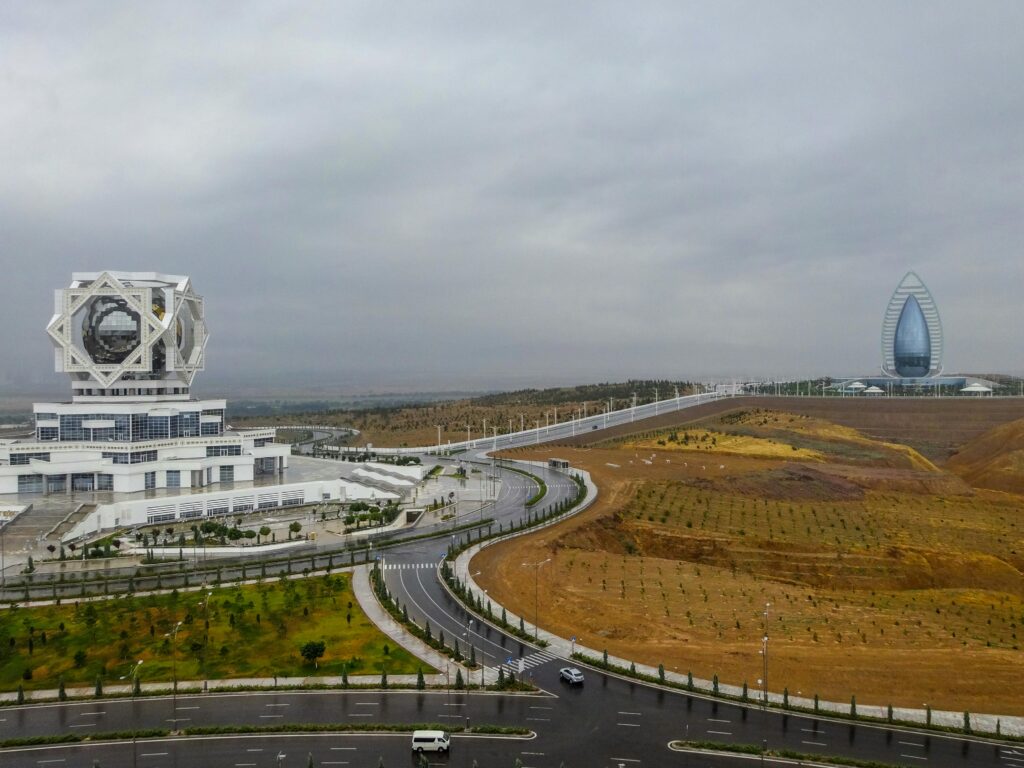
1. General Overview of Turkmenistan
Turkmenistan, located in Central Asia, offers a growing market with increasing opportunities for international investment, particularly in the food and beverage sector. The country benefits from substantial natural resources and a government focus on economic diversification, which supports gradual modernization of infrastructure and retail networks. With a population of around 6 million, Turkmenistan’s strategic position between the Caspian Sea and key regional markets facilitates trade and transit routes.
Its capital, Ashgabat, serves as the political and economic center, featuring developing logistics capabilities and expanding retail formats that cater to both urban and rural consumers. While the market remains somewhat state-influenced, recent reforms have encouraged private sector participation, opening doors for foreign brands to establish a presence through partnerships and distribution agreements.
Key Facts
- Population: ~6 million
- Capital: Ashgabat
- Currency: Turkmenistan Manat (TMT)
- Official Language: Turkmen
2. Economic Snapshot (2024/2025)
Turkmenistan’s economic indicators provide a snapshot of its evolving market conditions, relevant for businesses considering entry into the food and beverage sector. Understanding GDP, inflation, employment, urbanization, and income levels helps frame opportunities for retail and distribution development.
GDP (Nominal & Per Capita)
| Turkmenistan Economic Overview: GDP | |
|---|---|
| Nominal GDP (2024) | $46.5 billion USD |
| Nominal GDP per Capita (2024) | $7,750 USD |
Inflation Rate
| Turkmenistan Inflation Rate | |
|---|---|
| Inflation Rate (2024) | 16.5% |
| Inflation Rate (May 2025) | 18.2% |
Unemployment Rate
| Turkmenistan Unemployment Rate | |
|---|---|
| Overall Unemployment Rate (2024) | 11.8% |
| Youth Unemployment Rate (2024) | 23.5% |
Urbanization Rate
| Turkmenistan Urbanization Rate | |
|---|---|
| Urbanization Rate (2024) | 51.0% |
| Urbanization Rate Annual Change (2024) | +1.3% |
Income Data
| Turkmenistan Income Data | |
|---|---|
| Average Gross Salary (2024) | 7,500 TMT (≈ €1,875) |
| Average Net Salary (2024) | 5,700 TMT (≈ €1,425) |
Turkmenistan’s economic profile shows moderate GDP growth with rising inflation and a notable urbanization trend. The unemployment rates, particularly among youth, indicate a developing labor market. Average income levels reflect purchasing power that international food and beverage brands should consider carefully when planning pricing and distribution strategies. For companies seeking to enter this market, having local insight, retail network access, and tailored distribution planning is essential.
3. Market Insights and Cultural Considerations
Turkmen consumers blend a strong connection to traditional values and cuisine with a cautious but growing interest in international products. While urban shoppers in Ashgabat and other cities show increasing openness to foreign brands, the market remains price-sensitive and influenced by local cultural habits.
What to Know About Turkmenistan Consumers:
- Strong Preference for Traditional Flavors and Familiar Products
Food habits in Turkmenistan are deeply rooted in national culinary traditions, with a high consumption of meat, bread, and dairy. Imported food and beverages are often viewed as premium or occasional treats rather than everyday staples. Success comes from positioning foreign products as complementing or enhancing local tastes rather than replacing them. - Growing Interest in Convenience and Modern Retail Channels
While traditional bazaars remain popular, urban consumers—especially younger families—are increasingly shopping in supermarkets and modern retail outlets. This shift creates opportunities for ready-to-eat, packaged, or easy-to-prepare products, but distribution networks can still be fragmented outside major cities. - Seasonality and Festive Consumption Drive Demand
Consumption patterns in Turkmenistan are strongly affected by cultural and religious festivals such as Nowruz. During these times, demand for sweets, beverages, and special ingredients spikes. Understanding and aligning with these seasonal peaks is essential for timely marketing and distribution. - Price Sensitivity is Pronounced Across the Market
Despite rising incomes in urban centers, many consumers remain sensitive to price due to inflation pressures and wage disparities. Brands need to carefully balance quality and affordability, as premium pricing limits accessibility in large parts of the market. - Limited Digital Engagement but Growing Mobile Use
While online shopping and e-commerce remain in early stages, mobile phone penetration is high. Digital marketing through social media platforms and messaging apps can help build brand awareness among younger urban consumers, but traditional in-store visibility and word-of-mouth still dominate purchase decisions.
Partner with NORD EXIM to Enter Turkmen Market
Entering the Turkmenistan food and beverage retail market requires a clear understanding of local consumer behavior, market dynamics, and distribution challenges. NORD EXIM offers targeted support to producers navigating this landscape by providing in-depth local insight, established retail connections, and strategic distribution planning tailored to your brand’s needs. For guidance on effectively positioning your products and expanding your presence in Turkmenistan, feel free to contact us!